Source African Dress Styles for Church, Office, and Events
Explore 30 in-stock african dress options featuring midi and floor-length designs. Compare solid and print styles in spandex, polyester, and chiffon fabrics. Find suitable choices for church services, office wear, and formal events with various sizes and colors available; compare the available evidence and request quotations based on your requirements.
Key considerations
Products List




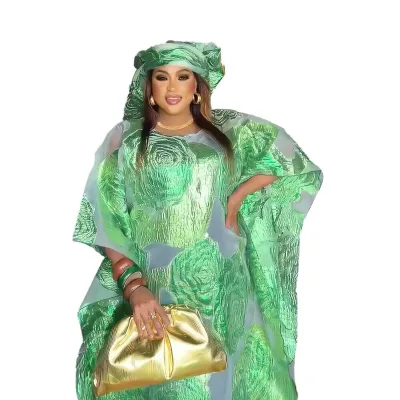
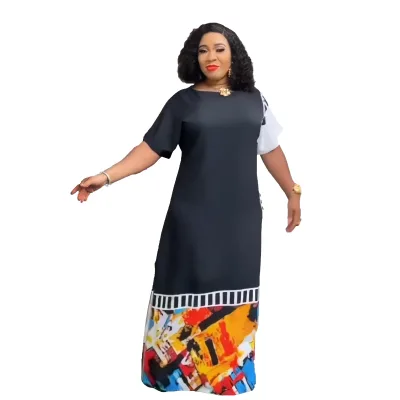
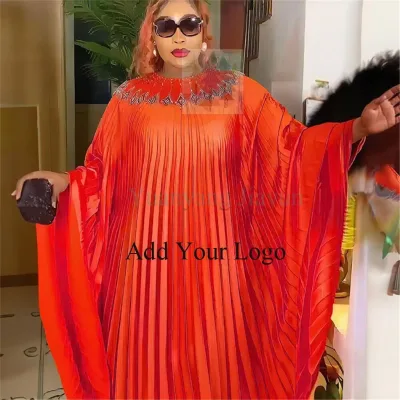
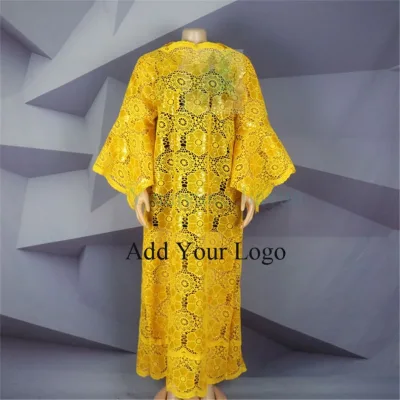
Comprehensive Sourcing Guide
African Dress Sourcing Guide
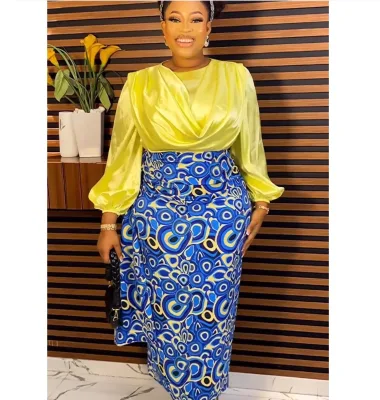
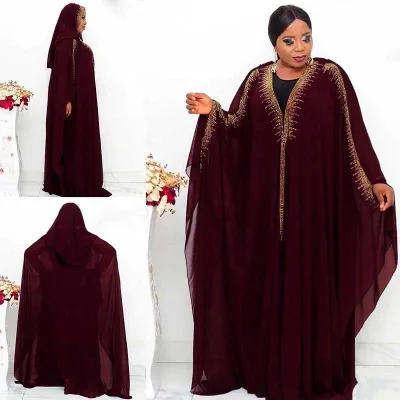
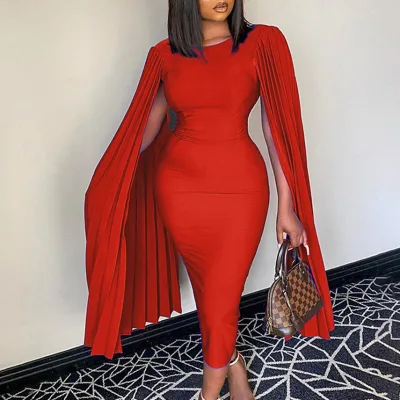
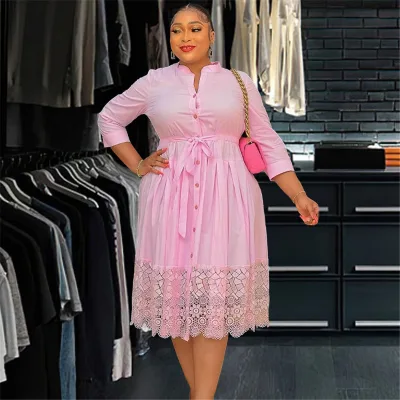
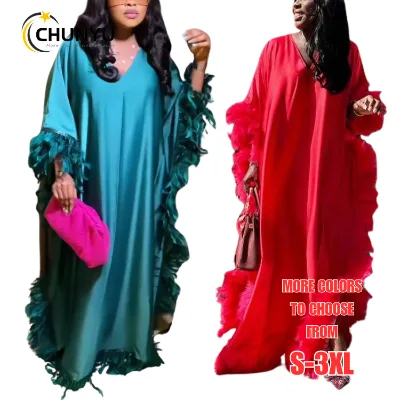
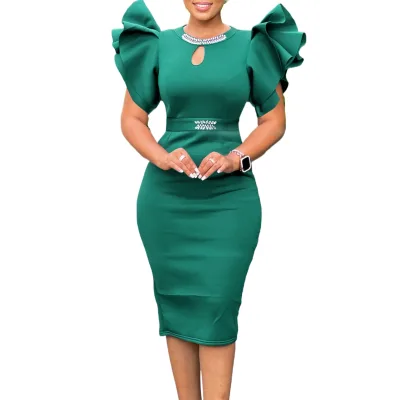
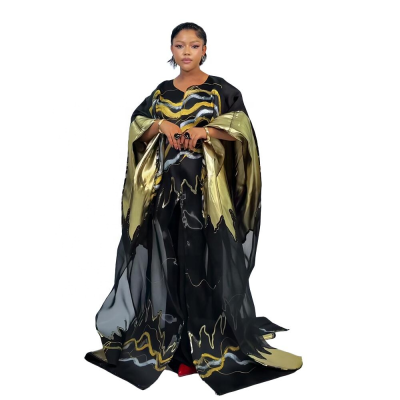
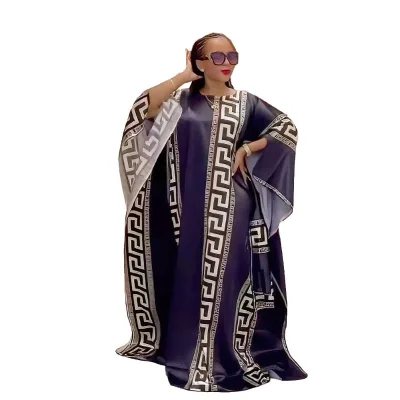
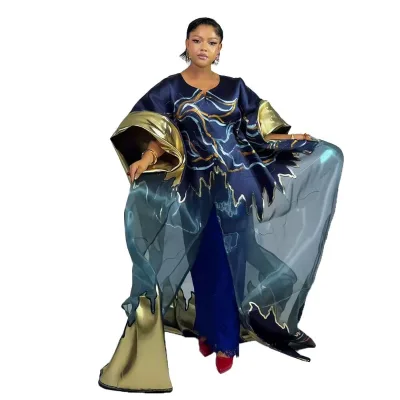
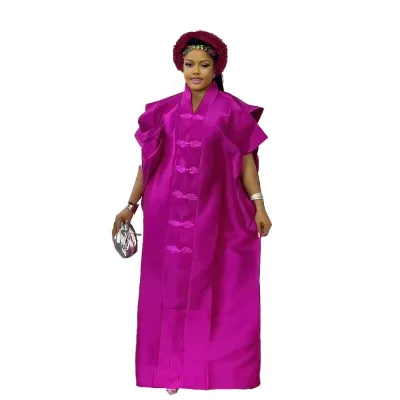
Sourcing African print dresses requires careful attention to the specific design variations available in the current market, ranging from two-piece skirt sets to full-length kaftans. Buyers must distinguish between styles labeled as formal church wear and those intended for casual or office settings, as the construction and fabric choices differ significantly. The observed inventory includes options in solid colors and vibrant prints, with materials spanning from stretchy knits to flowing chiffon, necessitating a clear definition of the target aesthetic before engaging suppliers.
Procurement strategies should focus on verifying the supply type and availability, as many listings indicate in-stock items with immediate shipment capabilities from Guangdong, China. Buyers should prioritize suppliers who explicitly support sample orders with short lead times, such as the seven-day window observed in the market, to validate quality before committing to larger volumes. Understanding the distinction between single-item selling units and bulk packaging is essential for logistics planning, ensuring that the selected supplier can meet both immediate needs and future scaling requirements without delay.
Product Scope and Observed Listing Signals
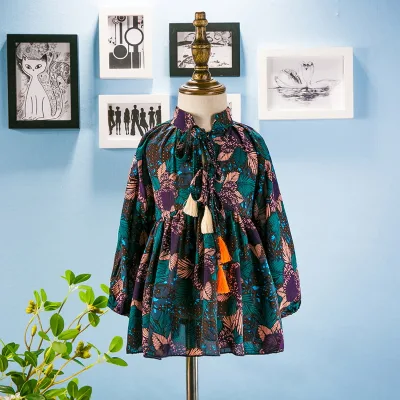
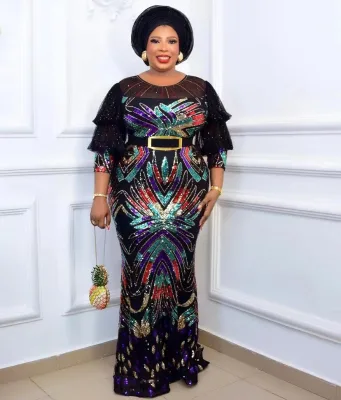
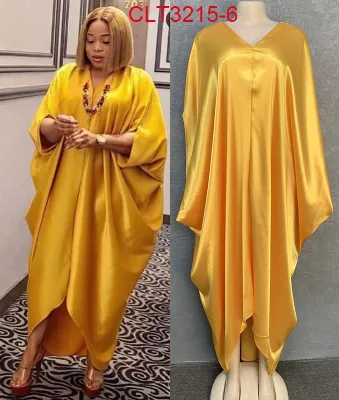
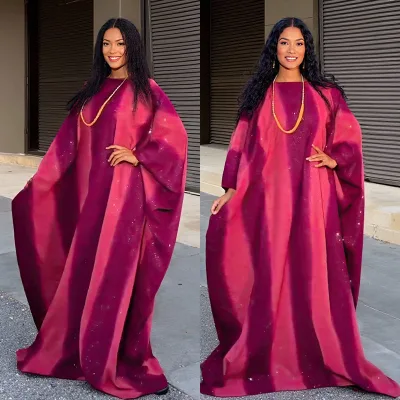
The product scope for African dresses encompasses a diverse range of silhouettes, including midi lengths, floor-length gowns, and loose-fitting kaftans designed for plus-size markets. Listings frequently highlight specific fashion elements like beading, pleating, and empire waistlines, which define the garment's structure and visual appeal. Buyers must carefully review the model numbers and product names to ensure alignment with their specific design requirements, as terms like "chitenge" or "kitenge" may refer to distinct fabric treatments or regional styles that impact the final look.
Market signals indicate a strong emphasis on seasonal relevance, with summer collections featuring short sleeves, cap sleeves, and breathable fabrics like chiffon and spandex blends. The observed color palette includes purple, green, yellow, and black, offering versatile options for various cultural and formal occasions. Procurement teams should verify the fit type, noting that some items are marketed as skinny fits while others offer loose silhouettes, ensuring the selected inventory matches the intended demographic and comfort expectations of the end consumer.
Technical Specifications to Verify
Technical verification must begin with the material composition, as listings specify a mix of spandex and polyester for stretchable garments alongside pure chiffon for flowing designs. Buyers should confirm the fabric type, distinguishing between knitted and woven constructions, as this affects the drape, durability, and care instructions for the final product. The presence of needle detection in the supply chain is a critical technical indicator of manufacturing safety, ensuring that no metal contaminants remain within the finished garments before they reach the market.
Dimensional accuracy is another vital specification, with single package sizes varying from 15x10x4 cm to 15x12x11 cm depending on the garment's complexity and length. Weight specifications, ranging from 0.650 kg to 0.800 kg per gross unit, provide insight into the density of the fabric and the potential shipping costs associated with bulk orders. Buyers must cross-reference the listed sizes, such as L through 3 XL, with actual garment measurements to ensure the sizing chart aligns with the target market's standards, preventing returns due to fit discrepancies.
Compliance and Safety Documentation
Compliance documentation for African dresses should prioritize safety standards related to textile manufacturing, particularly regarding the needle detection processes observed in the supply chain. While specific certification names are not universally listed, the presence of needle detection implies a commitment to metal detection protocols that are standard in reputable garment production facilities. Buyers should request evidence of these safety checks to ensure that the finished products meet international safety requirements for consumer goods, minimizing liability risks associated with defective manufacturing.
Environmental and care compliance is also a key consideration, as some listings highlight features like eco-friendly status, washability, and dry cleaning requirements. These attributes suggest that the garments may adhere to specific chemical usage standards or sustainable production practices, which are increasingly important for modern B2B buyers. Procurement teams should verify that the claimed features, such as breathability and eco-friendliness, are supported by test reports or supplier declarations to ensure that the marketing claims align with the actual product performance and regulatory obligations.
Cost Drivers and Commercial Terms
Cost drivers in the African dress market are heavily influenced by the complexity of the design, including decorative elements like beading and pleating, which increase labor and material expenses. The choice of fabric, whether it is a simple knit or a more delicate chiffon, also plays a significant role in the final unit price, with observed ranges spanning from 0.5 to 30.8 USD per item. Buyers must analyze the relationship between the selling unit price and the minimum order quantity, as lower MOQs often correlate with higher per-unit costs, while larger volumes may unlock more competitive pricing tiers.
Commercial terms should be negotiated with a clear understanding of the supply type, as in-stock items may offer faster delivery but potentially less flexibility on customization. The observed seven-day sample order lead time is a favorable term that allows for rapid prototyping and quality validation, reducing the overall time-to-market for new collections. Buyers should clarify the payment terms and shipping responsibilities, ensuring that the cost structure accounts for the single gross weight and package dimensions to accurately calculate total landed costs for international distribution.
Supplier Qualification and Quality Control
Supplier qualification requires a thorough assessment of their production capabilities, specifically their ability to handle diverse styles ranging from office two-piece sets to formal church dresses. The observation of specific model numbers and product names suggests that suppliers may specialize in particular niches, so buyers should verify that the supplier has a proven track record in producing the specific style and fabric combination required. Quality control measures should include a review of the supplier's needle detection protocols and their ability to maintain consistent fabric quality across different batches.
Quality control processes must also address the consistency of the printing methods and decoration techniques, such as beading and pleating, which can vary significantly between production runs. Buyers should implement a sampling strategy that tests the durability of the fabric, the accuracy of the color matching, and the integrity of the decorative elements before approving bulk orders. Establishing a clear communication channel for feedback on sample quality is essential, ensuring that any deviations from the agreed specifications are identified and corrected early in the production cycle.
Long-Term Procurement Checks
Long-term procurement checks should focus on the supplier's ability to maintain consistent inventory levels and supply continuity for popular styles like the two-piece African dress and chitenge designs. Buyers need to monitor the available quantity, which is listed as 10,000 units in some cases, to ensure that the supplier can meet fluctuating demand without causing stockouts or delays. Regular audits of the supplier's production capacity and lead times are necessary to confirm that they can scale operations effectively as the business grows.
Sustainability and ethical compliance should be ongoing checks, given the emphasis on eco-friendly and washable features in the product listings. Buyers should periodically review the supplier's adherence to environmental standards and labor practices to ensure that the brand's values are maintained throughout the supply chain. Establishing a long-term partnership based on mutual trust and transparent communication will help mitigate risks and ensure a steady flow of high-quality African dresses that meet the evolving needs of the market.
FAQs
What materials are used for these african dress styles?
The collection utilizes Spandex and Polyester blends for the two-piece sets, offering a skinny fit suitable for summer wear. Additionally, chiffon fabrics are available for loose silhouettes, providing breathable and washable options for formal church occasions or office settings.
Can I order samples before bulk production?
Yes, sample orders are supported with a lead time of seven days. This allows buyers to verify quality and fit before committing to larger quantities. The supplier maintains in-stock items for immediate availability, ensuring quick turnaround for initial evaluation and approval processes.
What sizes are available for plus size options?
Plus size options are explicitly featured in the product line. Available sizes include L, XL, 2XL, and 3XL. These garments are designed with a skinny fit for certain styles and loose silhouettes for others, catering to diverse body types and comfort preferences.
Where are these african print dresses manufactured?
These dresses are manufactured in Guangdong, China. The production facility specializes in knitted fabrics and beaded decorations. Buyers can expect consistent quality control, including needle detection, ensuring safe and durable garments suitable for international shipping and various retail environments.
What are the minimum order quantities for these items?
Minimum order quantities range from 1 to 300 units depending on the specific style and customization requirements. This flexibility supports both small boutique orders and larger wholesale purchases. Buyers can select from in-stock items or request custom designs based on their inventory needs.
Which colors are offered for the chitenge designs?
Available colors include Purple, Green, Yellow, and Black. These vibrant hues are applied using various printing methods to create distinct african print patterns. The designs range from simple fashion elements to beaded decorations, ensuring variety for different market segments and personal preferences.